
How AI is Revolutionizing Medicine: Saving Lives and Diagnosing Diseases with Precision
Discover how AI is revolutionizing medicine and shaping a new era of innovation!

In recent years, Artificial Intelligence (AI) has emerged as a powerful ally in the field of medicine, transforming the way doctors save lives and diagnose diseases. The fusion of AI and healthcare is not only streamlining diagnosis but also making treatments more effective and accessible. This blog explores how AI is making a difference in saving lives, tools that students and professionals can use, and how you can harness this technology to learn and grow in the medical field.
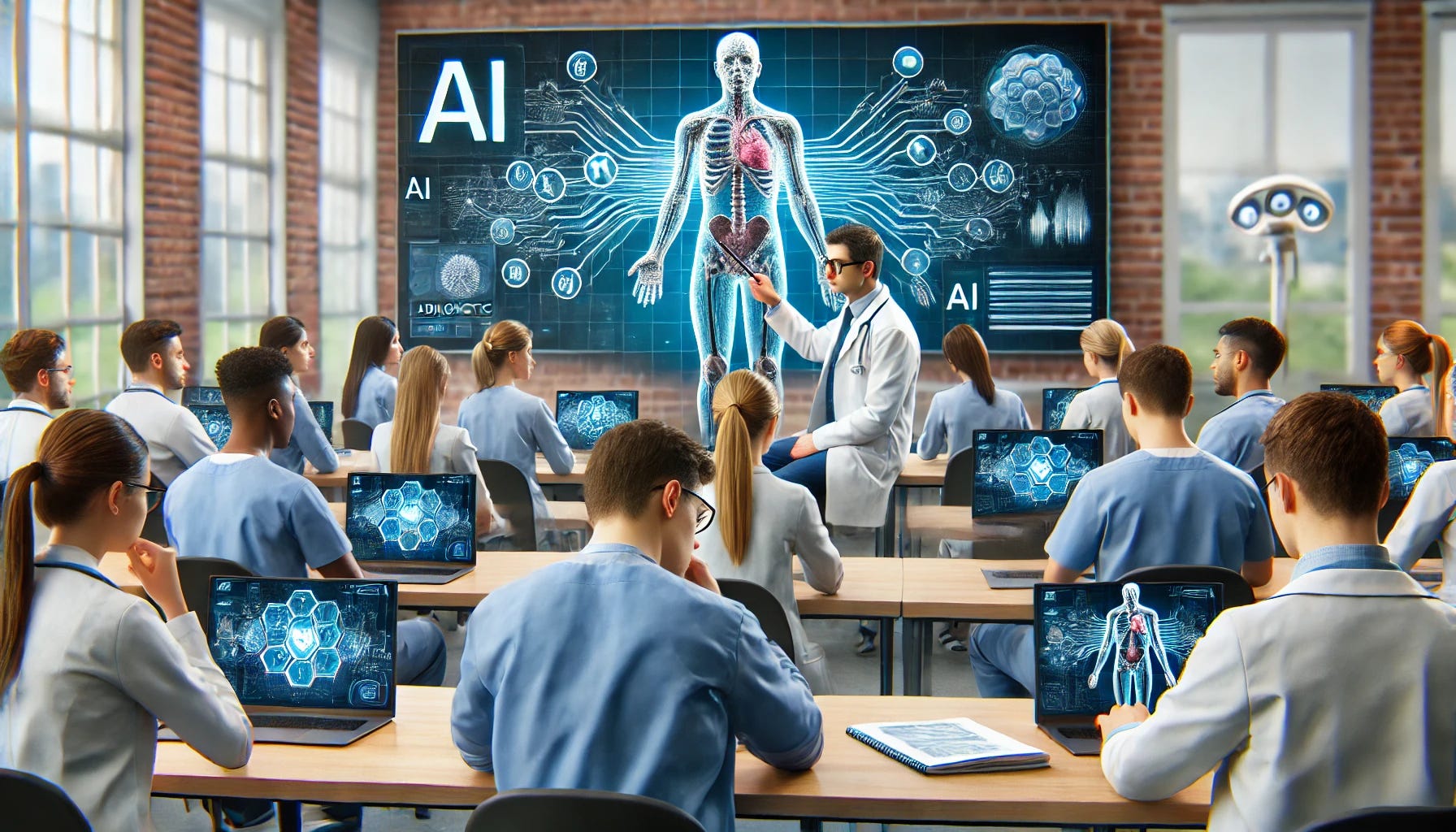
AI in Action: Life-Saving Innovations
1. Early and Accurate Diagnoses
AI algorithms can analyze medical data such as imaging scans, blood tests, and genetic information with unprecedented speed and accuracy. For instance:
Breast Cancer Detection: AI tools like those developed by Google Health can identify early signs of breast cancer with greater accuracy than radiologists in certain studies.
Diabetes and Heart Disease Predictions: Tools such as IBM Watson Health use AI to predict the onset of chronic conditions, enabling early interventions.
These technologies reduce human error, ensure earlier detection of diseases, and enable timely treatments that save lives.
2. Personalized Medicine
One size doesn’t fit all in healthcare. AI allows for personalized medicine, tailoring treatments based on an individual’s unique genetics, lifestyle, and environment. For example:
AI-powered platforms like Tempus analyze genetic and molecular data to recommend customized cancer treatments.
This means better outcomes for patients and fewer side effects.
3. Virtual Assistants and Remote Monitoring
Virtual health assistants powered by AI help doctors by managing patient records, scheduling appointments, and even monitoring patients remotely. For instance:
Health apps like Ada and Babylon Health provide symptom-checking services, which can guide patients toward the right treatment or alert doctors to critical health changes.
These tools are particularly beneficial for patients in rural or underserved areas where access to doctors might be limited.
Interactive Thought: How Will AI Shape the Future of Medicine?
Imagine a future where AI can diagnose diseases before symptoms even appear. Picture robots assisting in surgeries with a precision that surpasses the human hand. What excites you most about AI’s potential in healthcare?
Gift for Readers: Explore These Useful Tools
As a token of appreciation, we’ve compiled a list of incredible tools and platforms that can help you dive deeper into the world of AI and medicine. Whether you’re a student, a healthcare professional, or simply curious about how AI is revolutionizing healthcare, these resources are designed to support your learning and professional growth. From free educational platforms to cutting-edge AI applications in medicine, there’s something here for everyone.
Free AI Tools for Students and Professionals in Medicine
Google Colab: A free, cloud-based platform for coding and experimenting with AI models, perfect for medical students and researchers.
NIH Open Data Portal: Access medical datasets for research and AI model development, completely free.
Fast.ai: Free courses on AI and machine learning, ideal for beginners and professionals alike.
Radiopaedia: A free educational resource for radiology and medical imaging, with AI-powered diagnostic tools.
Kaggle: Participate in machine-learning competitions and access datasets, including many related to healthcare.
Paid Tools
Tempus: An advanced AI platform that analyzes patient data for precision medicine and personalized treatments.
IBM Watson Health: A tool for predicting and managing chronic conditions, leveraging AI for better healthcare outcomes.
Babylon Health: A virtual assistant offering AI-driven health monitoring and symptom-checking services.
Qure.ai: AI solutions for interpreting medical imaging, aiding faster and more accurate diagnoses.
DeepMind Health: Provides predictive analytics and diagnostic insights using cutting-edge AI technology.
Bonus Tools for Learning AI in Medicine
Coursera: Paid and free courses on AI in healthcare, from top institutions like Stanford and Johns Hopkins.
edX: Explore healthcare-focused AI courses and certifications from renowned universities.
These tools and platforms will empower you to explore AI’s potential, enhance your skills, and make an impact in the field of healthcare. Dive in and discover the future of medicine!
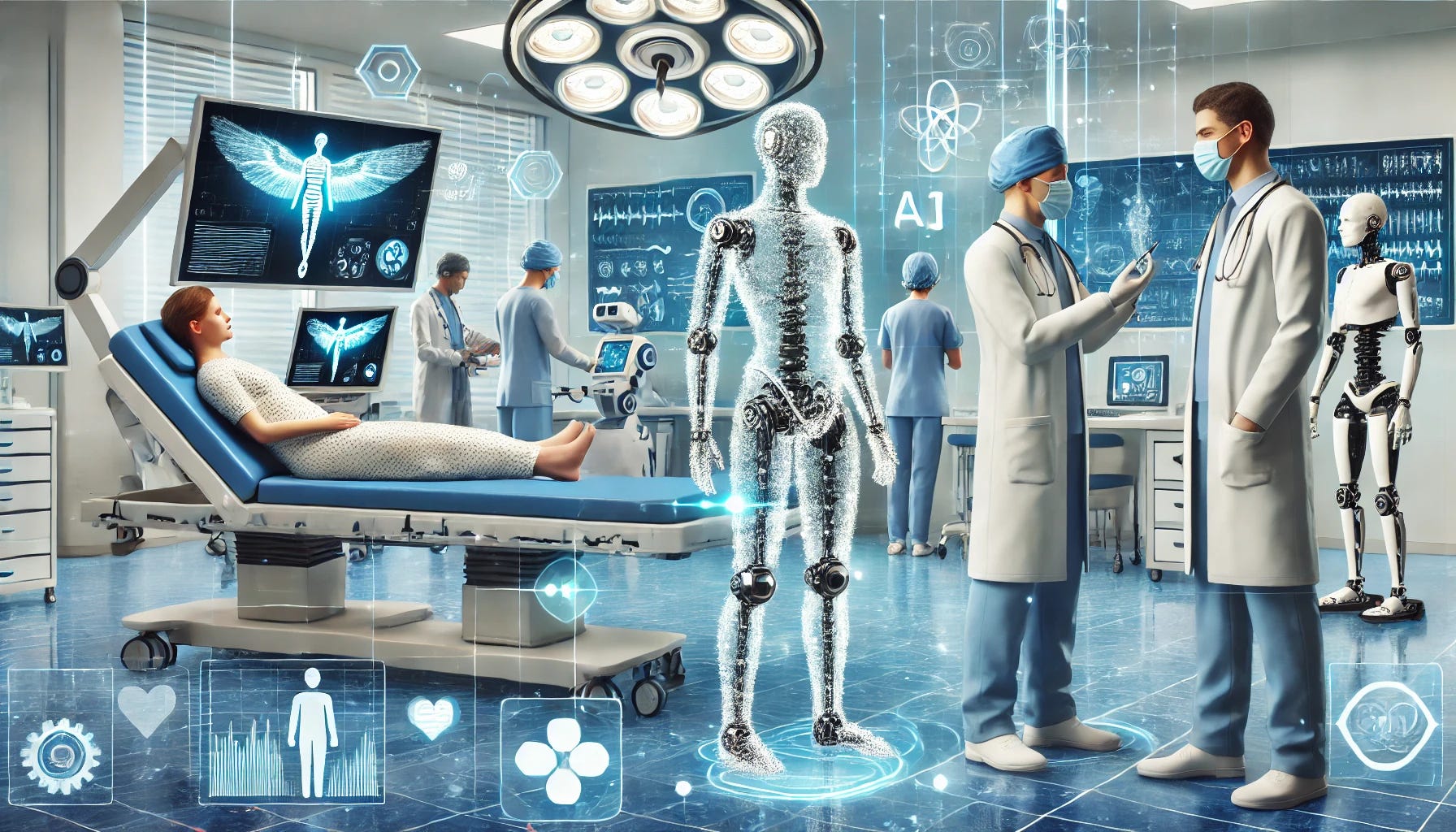
Challenges and Ethical Considerations
While the benefits are immense, the adoption of AI in healthcare isn’t without challenges:
Data Privacy: Ensuring patient data is secure and used ethically is crucial.
Bias in AI Models: Algorithms trained on limited or biased datasets can lead to unequal treatment outcomes.
Accessibility: Making AI tools accessible to underfunded hospitals and developing countries is still a hurdle.
For AI to truly revolutionize healthcare, these challenges must be addressed collaboratively by technologists, healthcare providers, and policymakers.
Conclusion
AI is already proving to be a life-saving force in medicine, helping doctors diagnose diseases earlier, personalize treatments, and provide care in remote areas. For students and professionals, learning to leverage free AI tools can open doors to a brighter future in healthcare.
What do you think about the role of AI in healthcare? Are you ready to explore the tools and techniques that can make a difference in your career or studies? The journey has just begun, and the possibilities are limitless!